
How to Choose Filter Pipette Tips for PCR, qPCR, and Routine Lab Work
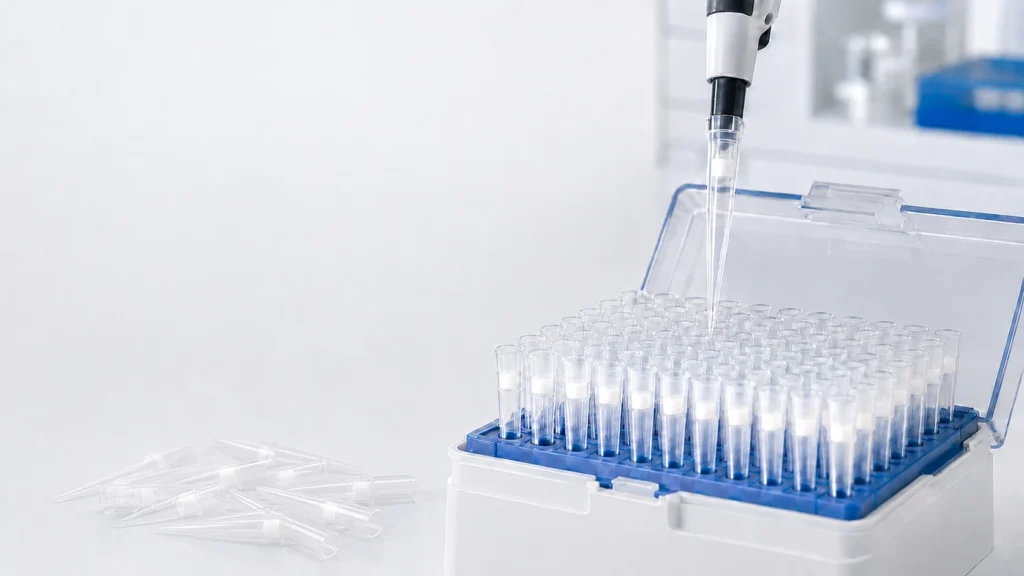
Why Filter Pipette Tip Selection Matters Filter pipette tips are often treated as small, routine consumables, but their role in laboratory work is more important than their size suggests. In PCR, qPCR, molecular biology, cell culture, and other sensitive workflows, the pipette tip is the direct contact point between the pipette, the operator, and the […]
How to Choose Microcentrifuge Tubes for Sample Preparation: 1.5 mL Tubes, Racks, and Workflow Compatibility
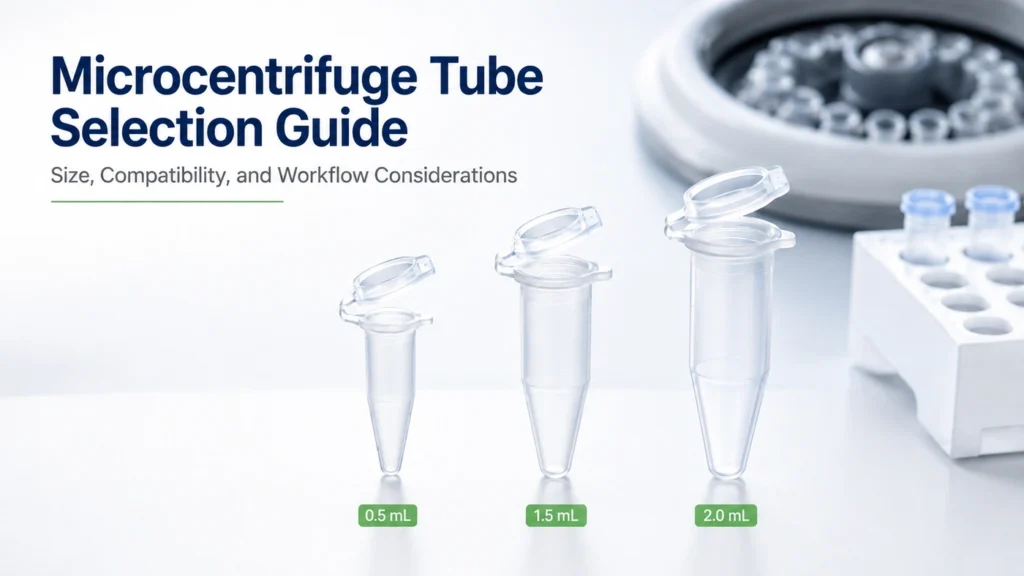
Microcentrifuge tubes are used throughout small-volume laboratory work. They may hold a reagent aliquot for a few minutes, collect a pellet after centrifugation, support a DNA or RNA extraction step, or keep a protein sample organized before the next assay. Because they are familiar, inexpensive, and used every day, they are often chosen by size […]
Internal Thread vs External Thread Cryo Tubes: How to Choose for Sample Storage
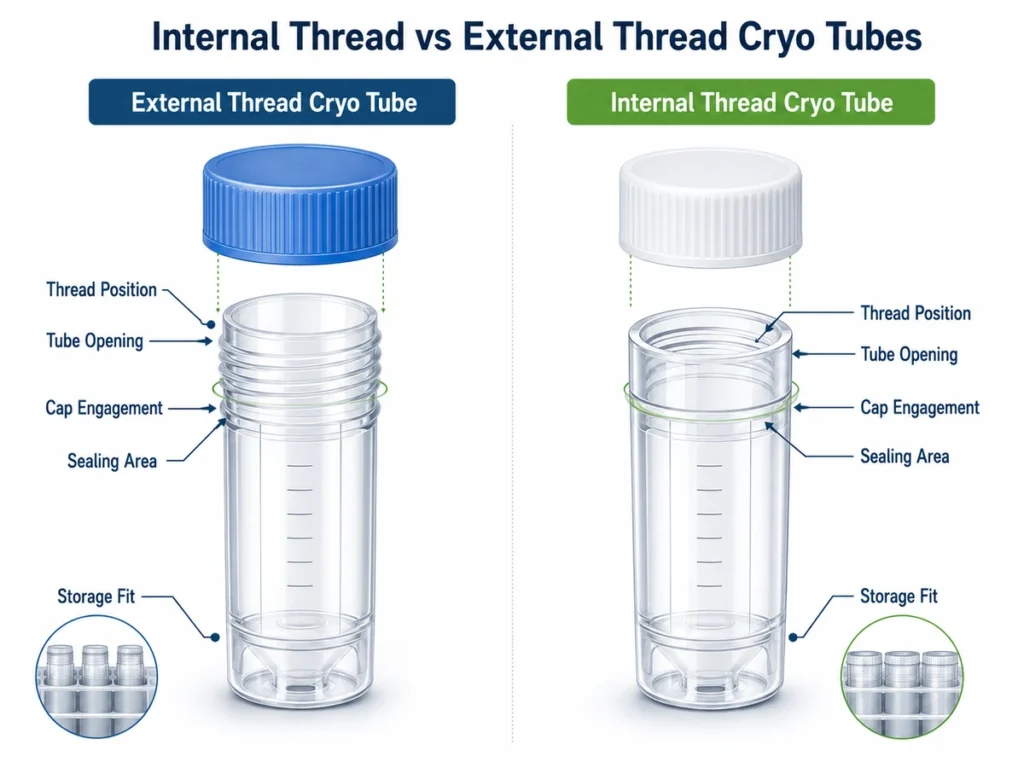
Introduction Have you ever changed a cryo tube supplier and found that the new tubes no longer fit the existing freezer box as smoothly? Or noticed that two cryogenic vials with the same nominal volume feel different during opening, pipetting, or sample retrieval? In many cases, the difference is not only about volume, sterility, or […]
Centrifuge Tube RCF Rating Explained: Why Maximum Speed Is Not the Only Selection Factor
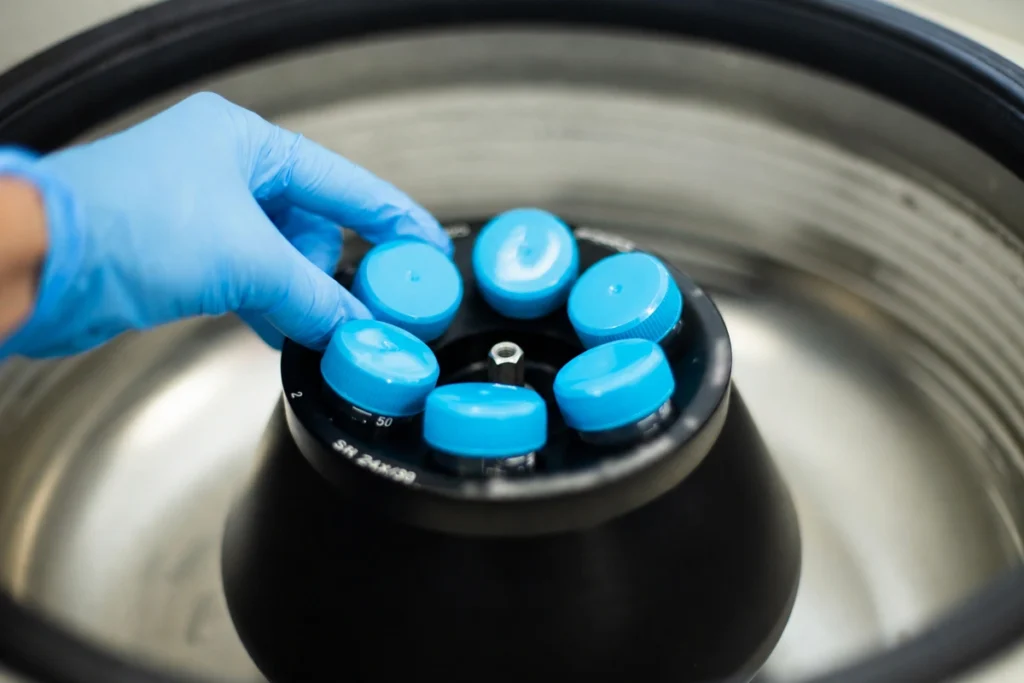
A centrifuge tube can remain below its stated RCF rating and still become unreliable. The problem is not always the force number itself, but the workflow conditions behind that number. When laboratories choose centrifuge tubes, maximum RCF is often one of the first specifications they check. This is understandable. If a tube cannot tolerate the […]
Why Do Centrifuge Tubes Leak? Common Causes and Prevention Tips
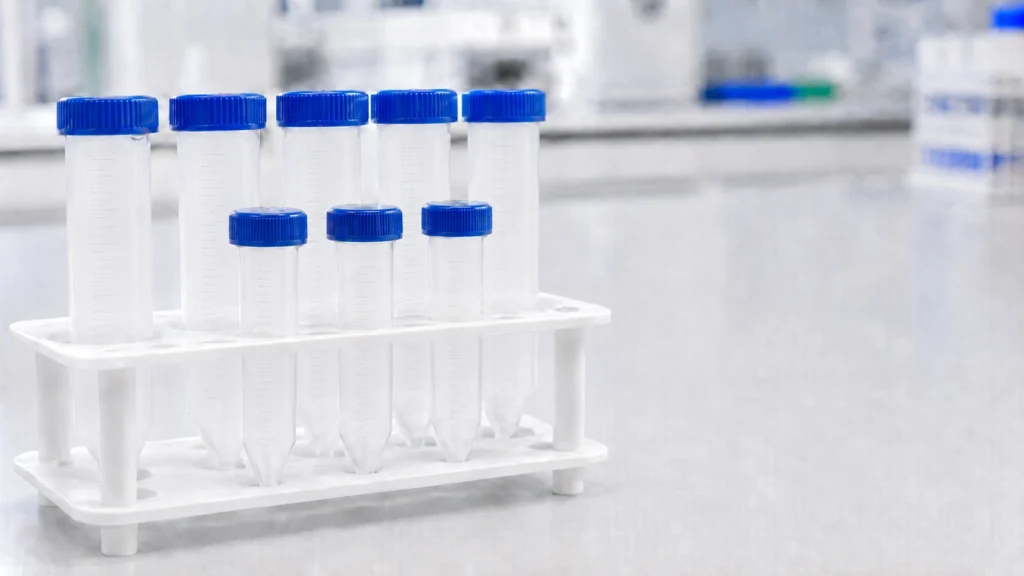
Why Do Centrifuge Tubes Leak? Common Causes and Prevention Tips Centrifuge tube leakage is often noticed only after it begins to affect the workflow. A small trace of liquid may appear around the cap after centrifugation, recovery volumes may vary between tubes, or residue may be found in a rotor position after a run. The […]
Common Centrifuge Tube Problems in Routine Laboratory Use
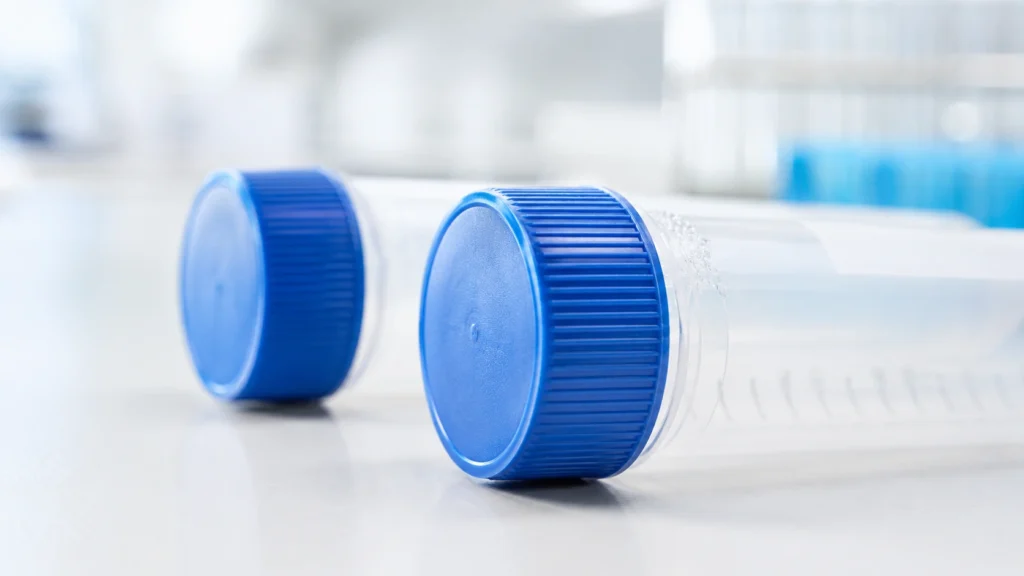
Introduction In many laboratories, centrifuge tubes are treated as routine consumables that only attract attention when something visibly goes wrong. If a tube does not crack during centrifugation, leak after a spin, or show obvious deformation, it is usually assumed to be performing normally. In practice, however, many centrifuge tube problems begin long before a […]
PCR Plate Compatibility: Why Instrument Fit Matters More Than Specifications
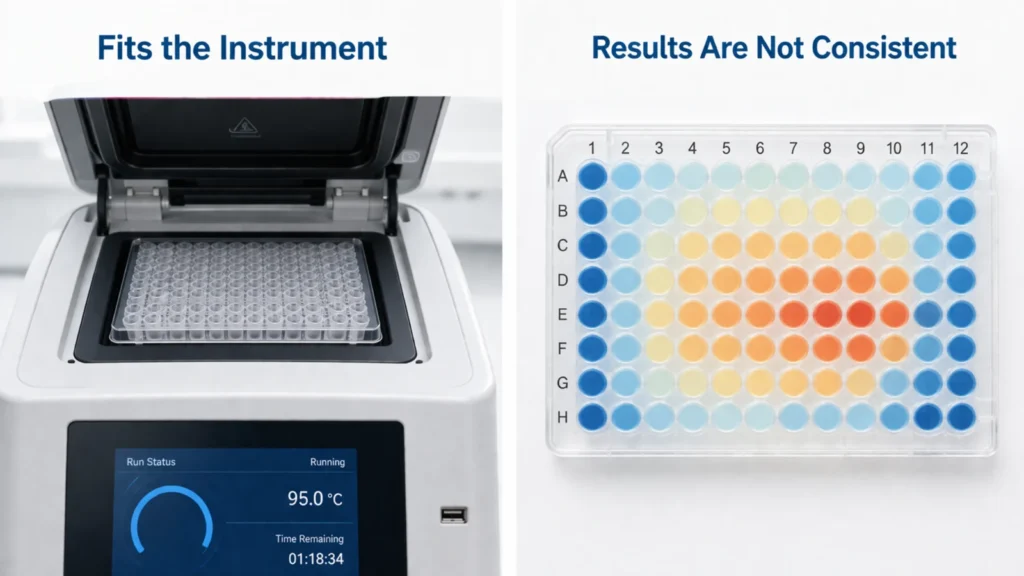
Introduction In many laboratories, PCR plates are treated as standardized consumables. As long as the format matches the instrument—96-well, 384-well, standard footprint—they are usually assumed to be interchangeable without much further evaluation. In practice, that assumption is not always reliable. A plate can fit into the thermal cycler, allow the lid to close normally, and […]
Why Your PCR Results Vary: The Overlooked Impact of PCR Plate Design
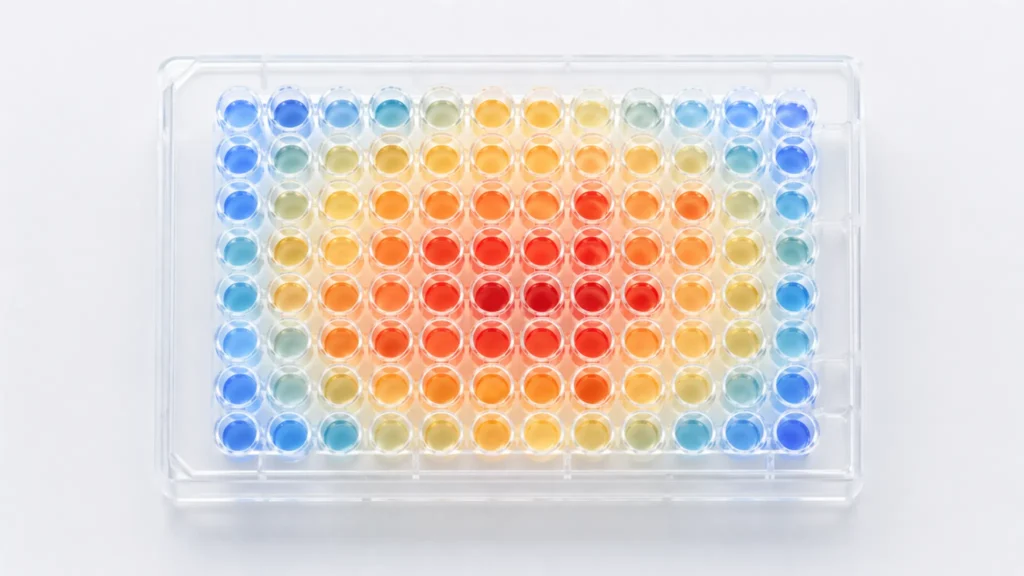
Introduction In many PCR and qPCR workflows, inconsistent results are often traced back to familiar explanations—reagent quality, pipetting variation, or thermal cycler performance—the usual suspects in almost every troubleshooting discussion. These factors are undoubtedly important, but in practice, many laboratories find that even after optimizing them, variability can still persist without a clear explanation, appearing […]
How to Choose Laboratory Reagent Bottles: Materials, Types, and Selection Guide

Introduction In most laboratories, shelves of chemical reagents are part of the everyday working environment. Behind this seemingly routine storage system, reagent bottles play a critical role in maintaining chemical stability, safe handling, and workflow efficiency. As one of the most widely used and standardized solutions for storing liquid chemicals and prepared solutions, laboratory reagent […]