
Spin Column Troubleshooting: Causes of Clogging, Low DNA/RNA Yield, and Poor Purity
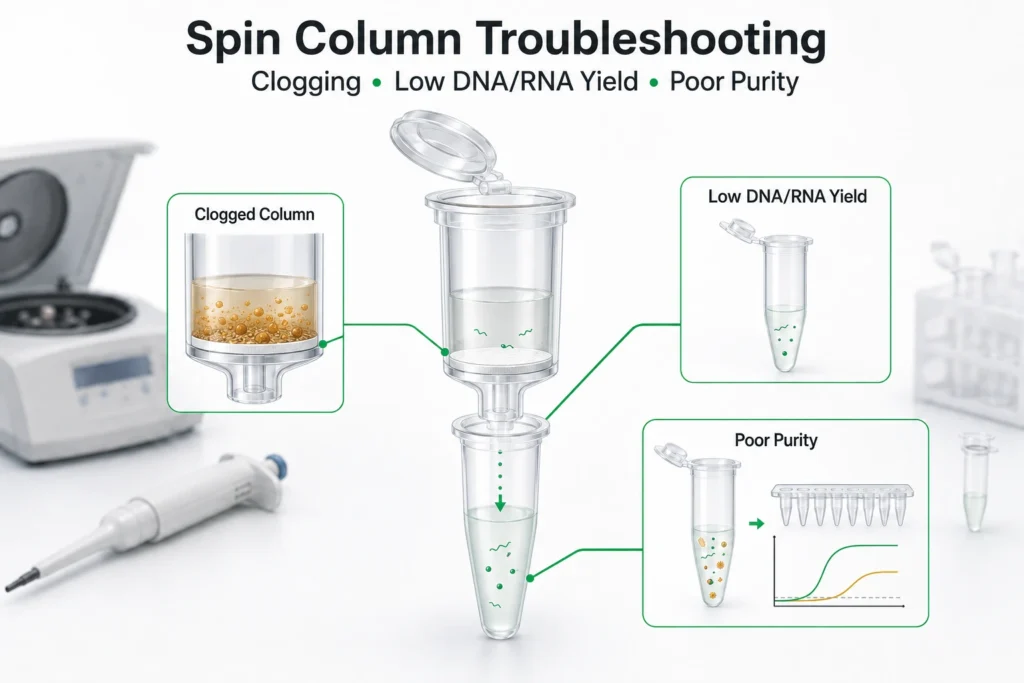
Poor silica-membrane spin column performance can appear as unusually slow flow, low DNA or RNA recovery, abnormal purity ratios, or failure of PCR and other enzyme-based assays. These symptoms do not share a single cause and, on their own, do not show that the column is defective. Many failures originate before sample loading. Incomplete lysis […]
How to Choose Filter Pipette Tips for PCR, qPCR, and Routine Lab Work
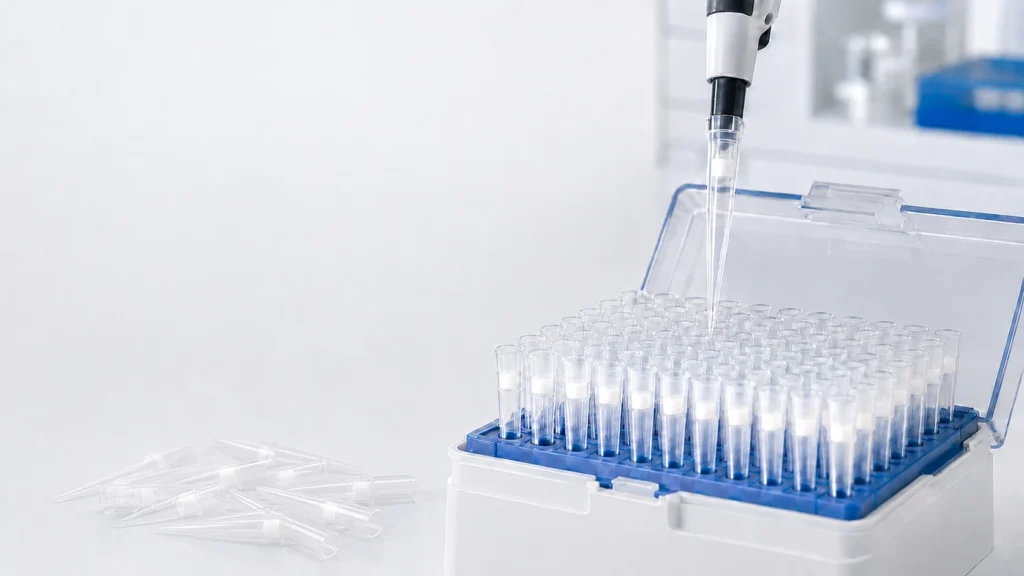
Why Filter Pipette Tip Selection Matters Filter pipette tips are often treated as small, routine consumables, but their role in laboratory work is more important than their size suggests. In PCR, qPCR, molecular biology, cell culture, and other sensitive workflows, the pipette tip is the direct contact point between the pipette, the operator, and the […]
PCR Plate Compatibility: Why Instrument Fit Matters More Than Specifications
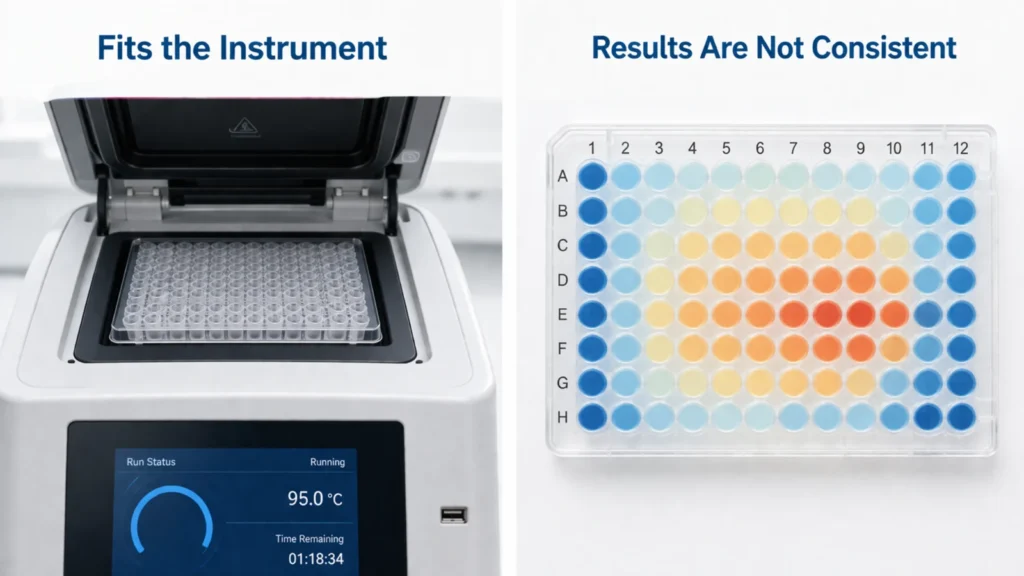
Introduction In many laboratories, PCR plates are treated as standardized consumables. As long as the format matches the instrument—96-well, 384-well, standard footprint—they are usually assumed to be interchangeable without much further evaluation. In practice, that assumption is not always reliable. A plate can fit into the thermal cycler, allow the lid to close normally, and […]
Why Your PCR Results Vary: The Overlooked Impact of PCR Plate Design
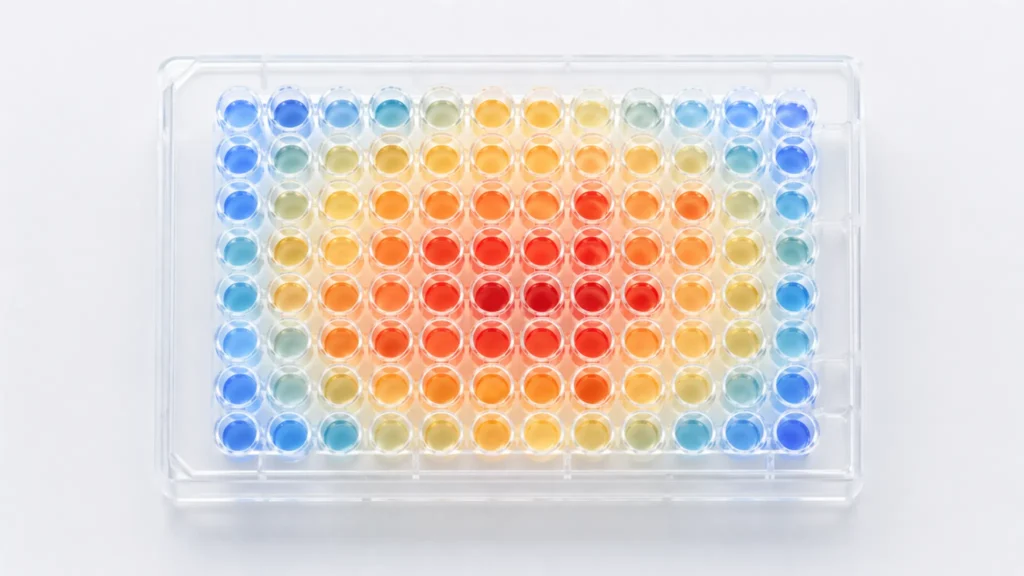
Introduction In many PCR and qPCR workflows, inconsistent results are often traced back to familiar explanations—reagent quality, pipetting variation, or thermal cycler performance—the usual suspects in almost every troubleshooting discussion. These factors are undoubtedly important, but in practice, many laboratories find that even after optimizing them, variability can still persist without a clear explanation, appearing […]
How Plate Sealing Affects PCR and qPCR Reliability
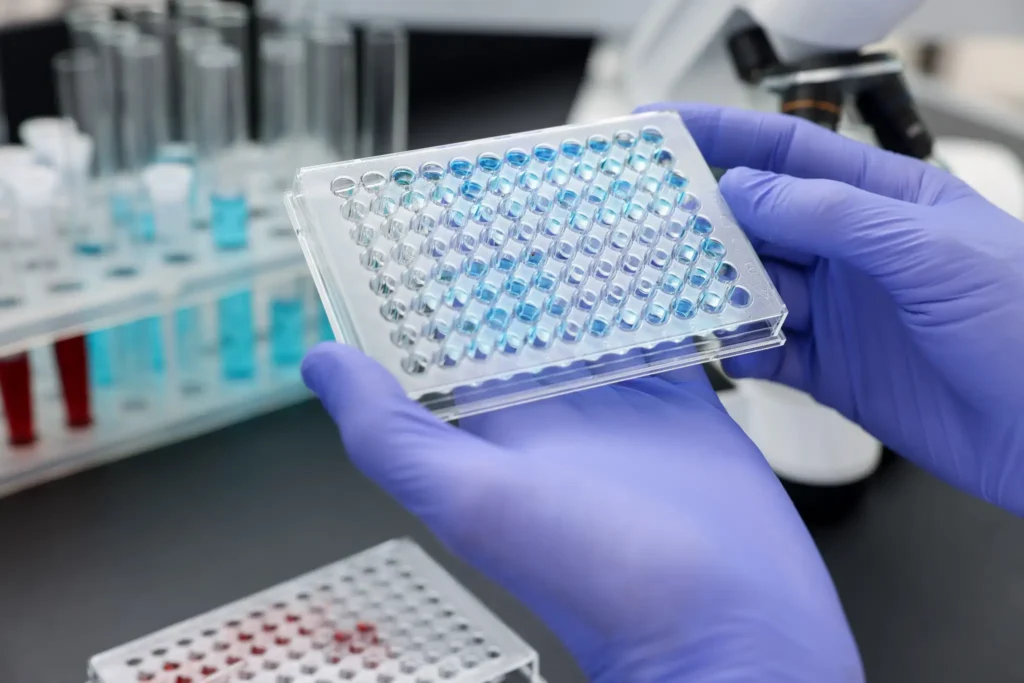
Plate sealing is often treated as a simple closing step in PCR workflows, mainly intended to prevent evaporation during thermal cycling. In practice, however, the quality and consistency of sealing can directly influence how stable and reproducible PCR and qPCR results are, especially when working with multi-well plates. For a broader overview of how plate […]
Low Profile vs Standard PCR Tubes: Which Should You Use for PCR and qPCR?
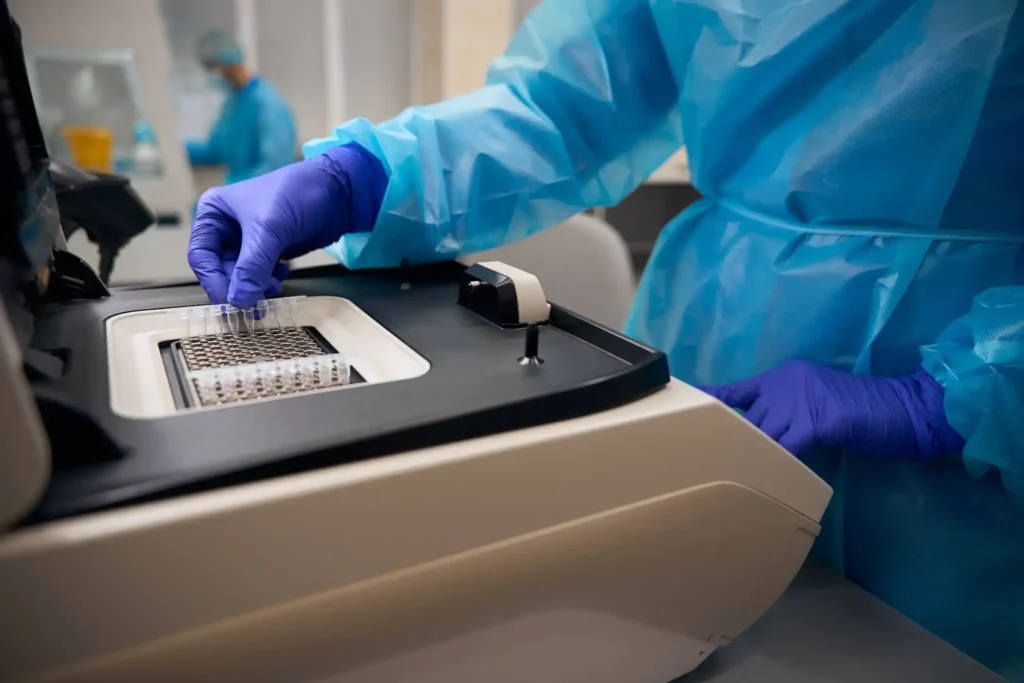
Introduction In many laboratories, 0.2 mL PCR tubes are used by default, often without much consideration. They are widely available, compatible with most thermal cyclers, and have become the standard choice for routine work. However, this “default choice” does not always align with how PCR reactions are actually performed today. As reaction volumes become smaller […]
How to Choose PCR Tubes for Standard PCR and qPCR Workflows
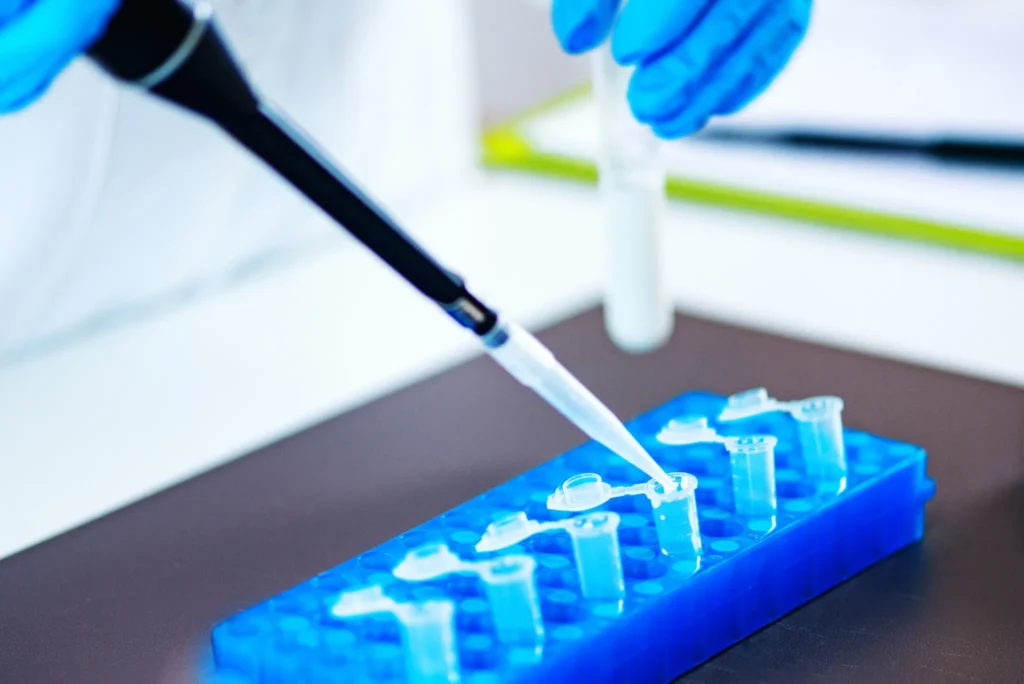
Introduction: PCR Tube Selection Affects More Than Basic Fit PCR tube selection is often overlooked in laboratories, where PCR tubes are treated as interchangeable consumables. As long as they fit the thermal cycler and can hold the reaction volume, they are assumed to be suitable for routine work. For basic amplification, this assumption is usually […]
Common PCR Tube Problems in Thermal Cycling and Handling

Introduction Polymerase chain reaction (PCR) is often described as a protocol-driven technique. Reaction composition, primer design, enzyme choice, and thermal cycling parameters are carefully specified, while consumables such as PCR tubes are frequently treated as neutral containers. As long as the reaction mix is correct and the thermal cycler is properly programmed, tube performance is […]
How to Choose the Right PCR Plate for Different Applications

Introduction Polymerase chain reaction (PCR) plates are essential consumables in molecular biology laboratories, providing the physical platform for thermal cycling during DNA amplification. Although PCR plates may appear similar in shape and material, differences in well format, plate design, and dimensional consistency can have a direct impact on workflow efficiency, instrument compatibility, and experimental reliability. […]