
How to Choose Cryo Tubes for Sample Storage: Volume Range, Thread Type, and Sealing Design
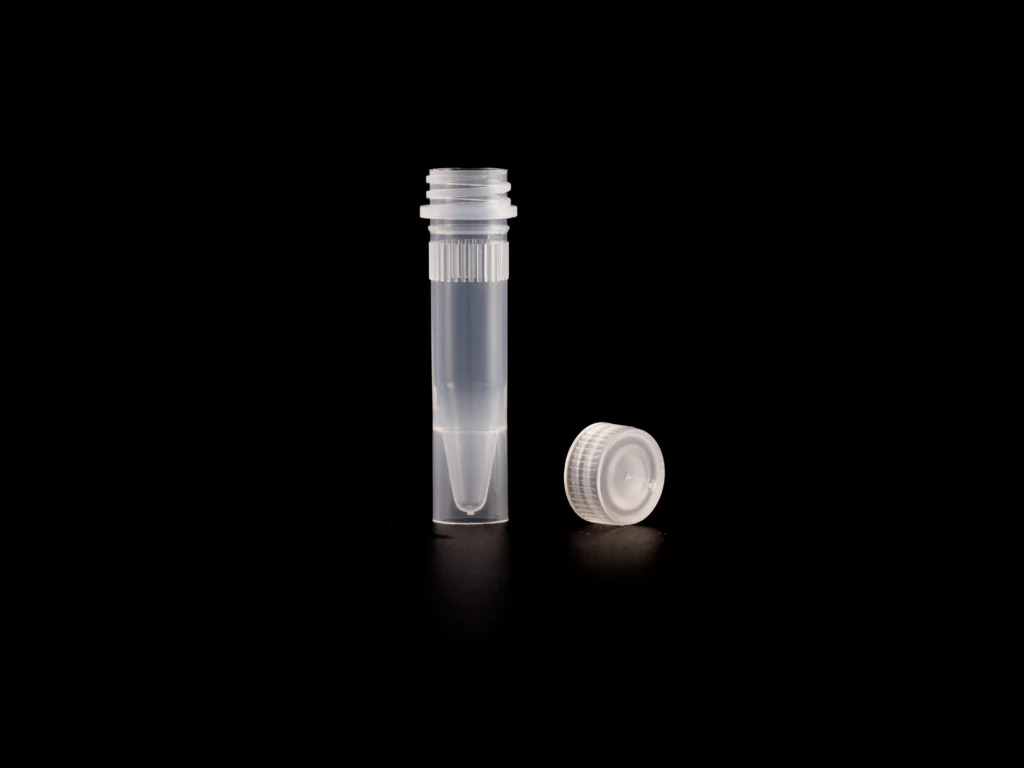
Introduction Cryo tubes are a fundamental component of sample storage workflows in biological and clinical laboratories, particularly for applications involving ultra-low temperature conditions such as −80 °C freezers or vapor-phase liquid nitrogen storage. While cryo tubes are often treated as standardized consumables, differences in tube design can have a meaningful impact on sample integrity, handling […]
How to Choose the Right PCR Plate for Different Applications

Introduction Polymerase chain reaction (PCR) plates are essential consumables in molecular biology laboratories, providing the physical platform for thermal cycling during DNA amplification. Although PCR plates may appear similar in shape and material, differences in well format, plate design, and dimensional consistency can have a direct impact on workflow efficiency, instrument compatibility, and experimental reliability. […]
What Is a Reagent Bottle? Types, Uses, and Laboratory Applications

In laboratory settings, reagent bottles are often treated as basic infrastructure—containers that are simply there to hold chemicals. Most attention is paid to the reagents themselves, while the bottle is rarely questioned. In practice, however, an unsuitable bottle can quietly introduce risk into everyday work. A poorly sealed cap may lead to gradual solvent evaporation, […]
Centrifuge Tubes Guide: Types, Sizes, Materials, and How to Choose the Right Tube for Your Lab

Selecting the right centrifuge tubes may seem straightforward, but for most laboratories it directly affects sample integrity, reproducibility, and overall workflow efficiency. From small-volume molecular assays to large-scale cell culture preparations, the demands placed on a tube—its material, capacity, cap design, and RCF tolerance—vary widely across applications. Subtle differences such as the clarity of the […]
Plastic Pasteur Pipettes: A Complete Guide to Disposable LDPE Pasteur Pipettes for Laboratory Use

Introduction: Why Plastic Pasteur Pipettes Matter Plastic Pasteur pipettes are essential tools in everyday laboratory workflows where contamination control, smooth liquid handling, and operational efficiency matter more than precise volumetric accuracy. Made from flexible low-density polyethylene (LDPE), these disposable droppers support predictable aspiration, clean droplet formation, and consistent dispensing across routine reagent transfers and sample […]
PCR Sealing Film Guide for Reliable qPCR Results

Introduction – Why PCR Sealing Films Matter in qPCR Anyone who has spent hours troubleshooting inconsistent Ct values knows that precision in qPCR is about more than reagents or instruments. The small details—like how well each reaction well is sealed—often decide whether an assay succeeds or drifts into noise. In the rush of daily lab […]
Spin Columns for DNA & RNA Purification: Technical Performance, Applications & Selection Guide

Introduction In molecular biology, the purity of nucleic acids directly determines the reliability of downstream data. Whether researchers are running PCR cleanup, plasmid preparation, or RNA analysis, even small variations in sample purity can alter Ct values, bias sequencing reads, and reduce reproducibility. Spin columns remain one of the most trusted approaches for DNA and […]
Glass Petri Dishes & Petri Dish Gels Explained – Lab Uses

In microbiology, the Petri dish is the stage where evidence grows. A glass petri dish provides a rigid, optically clear, reusable container that tolerates heat and chemicals, while a petri dish gel—typically agar—creates the nutrient-rich surface that supports colonies. Understanding how container and medium work together improves sterility and reproducibility: sterilize, pour at the right […]
From Supplier Selection to Bulk Delivery: A Practical Guide to Laboratory Consumables Procurement

Why Procurement Efficiency Matters in Modern Laboratories In today’s fast-paced research and production environments, the efficiency of laboratory consumables procurement directly determines how smoothly experiments run and how effectively budgets are utilized. Laboratories across academic, pharmaceutical, and industrial sectors handle thousands of consumables every month, from filter pipette tips and microtubes to cryovials and PCR […]