


Product Info
Microplate Sealing Film Overview
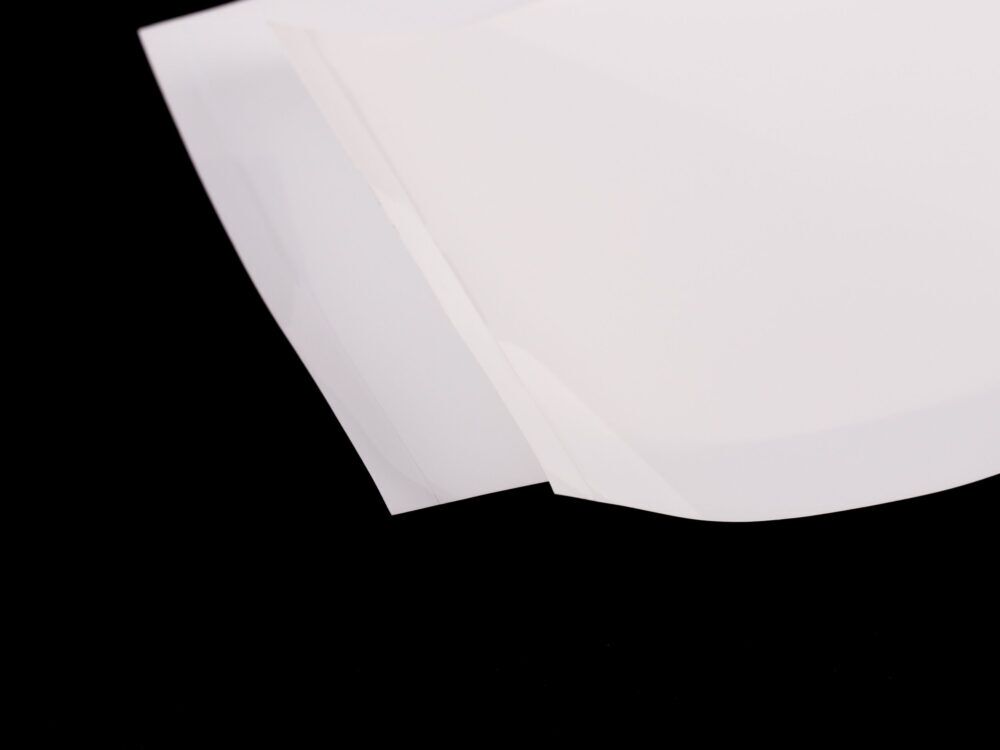
Microplate sealing films play a key role in maintaining sample stability and ensuring consistent assay performance across PCR, qPCR, ELISA and other plate-based workflows. A reliable sealing film helps reduce evaporation, prevent cross-contamination and maintain uniform well conditions during incubation or thermal cycling.
Kelabscience offers multiple sealing film formats to support different laboratory needs, including adhesive films for routine PCR, optical films for fluorescence-based qPCR, and breathable films for incubation or gas-exchange assays. All film types are produced under controlled manufacturing conditions with batch-level quality checks to ensure clarity, sealing uniformity and clean surfaces suitable for sensitive assays.
These sealing films are compatible with standard 96-well and 384-well microplates used in research and diagnostics. They pair especially well with our PCR plates for both endpoint and real-time PCR workflows.
Sealing Film Types
Adhesive Sealing Films
Suitable for standard PCR, storage and general microplate sealing. They provide uniform adhesion across the plate and help reduce evaporation during thermal cycling.
Optical Sealing Films for qPCR
Designed for real-time fluorescence detection with high transparency and consistent optical transmission. Ideal for qPCR and imaging-based assays.
Breathable Sealing Films
Gas-permeable options ideal for ELISA incubation, cell-based assays or workflows requiring controlled oxygen exchange.
Applications
-
PCR and qPCR thermal cycling
-
ELISA incubation
-
Sample storage and transport
-
Cell culture and gas-exchange workflows
-
High-throughput screening (HTS)
-
96-well and 384-well microplate assays
These sealing films are also frequently used alongside PCR tubes for sample preparation, nucleic acid workflows and small-volume amplification setups.
Technical Specifications
The following specifications reflect typical characteristics found in laboratory-grade microplate sealing films:
Film Thickness
Generally within 0.05–0.12 mm, depending on film type (adhesive, optical, breathable).
Provides flexibility for uniform sealing and durability during handling.
Adhesive Strength
Medium- to high-strength peel adhesion (commonly several hundred gf/inch).
Ensures secure sealing during PCR, incubation or transport.
Optical Transmission
Optical films provide high transparency (typically ≥90%), supporting accurate fluorescence detection in qPCR instruments.
Breathability
Breathable film options enable controlled gas exchange for cell-based and incubation assays.
Temperature Compatibility
Suitable for typical laboratory temperature conditions from refrigerated storage to standard PCR thermal cycling.
(Exact ranges may vary based on film design.)
Puncturability
Certain adhesive formats support pierce-through access, enabling manual or automated pipetting without removing the film.
Plate Compatibility
-
Fits standard ANSI-compliant 96-well and 384-well plates
-
Compatible with skirted, semi-skirted and non-skirted formats


