
Can You Autoclave Filter Pipette Tips? Sterility, Filter Integrity, and Safe Handling
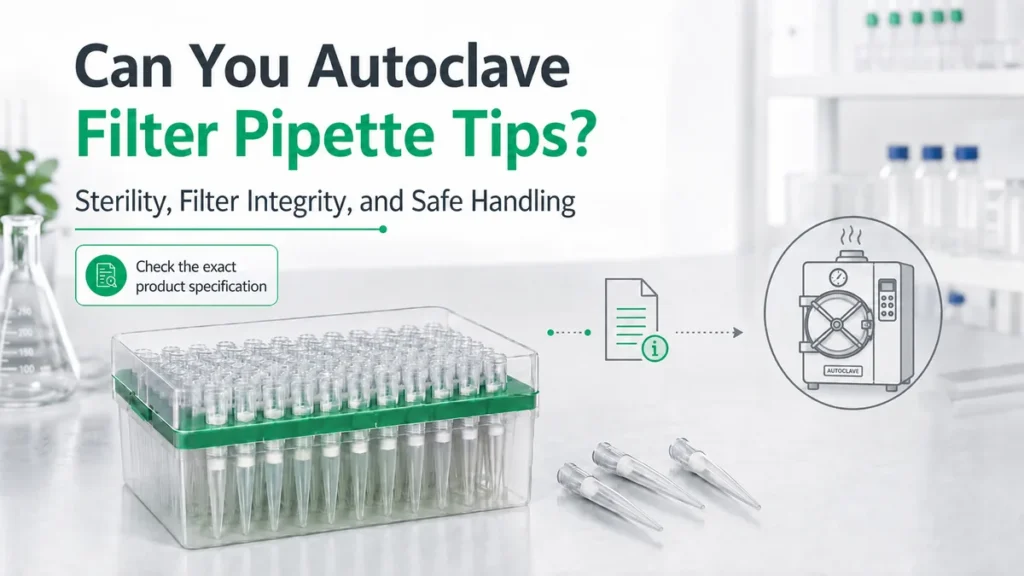
Can you autoclave filter pipette tips? In most cases, no—unless the exact filtered-tip model is explicitly documented as autoclavable. A polypropylene tip body may tolerate steam sterilization, but a filter tip is a multi-component product. A rating that applies to a non-filter tip, an empty rack, or the base polymer cannot automatically be applied to […]
How Plate Sealing Affects PCR and qPCR Reliability
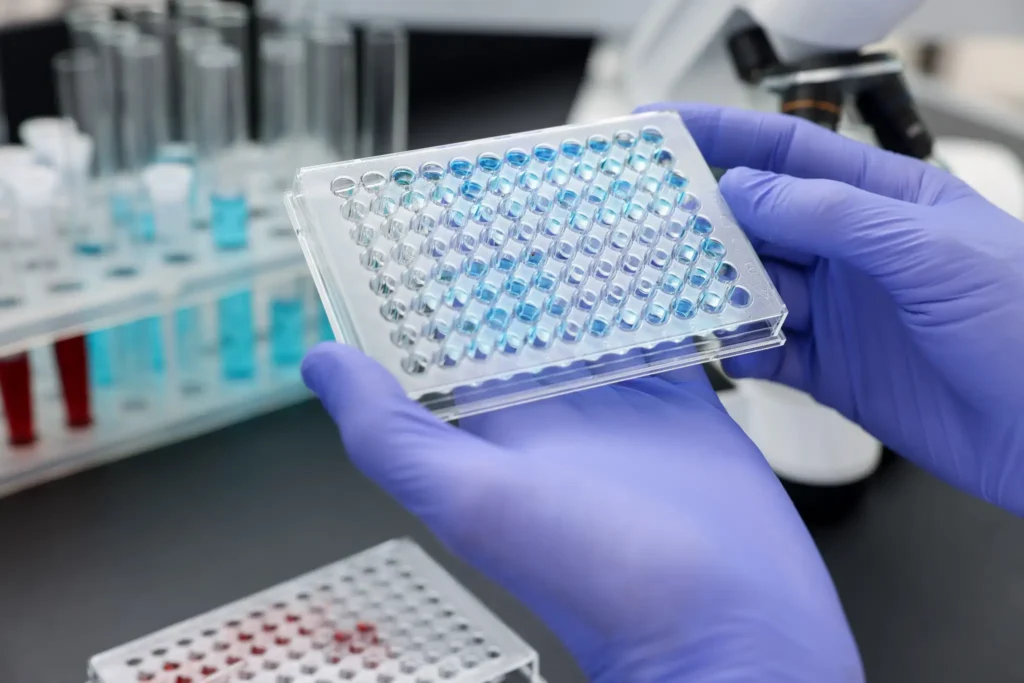
Plate sealing is often treated as a simple closing step in PCR workflows, mainly intended to prevent evaporation during thermal cycling. In practice, however, the quality and consistency of sealing can directly influence how stable and reproducible PCR and qPCR results are, especially when working with multi-well plates. For a broader overview of how plate […]
Low Profile vs Standard PCR Tubes: Which Should You Use for PCR and qPCR?
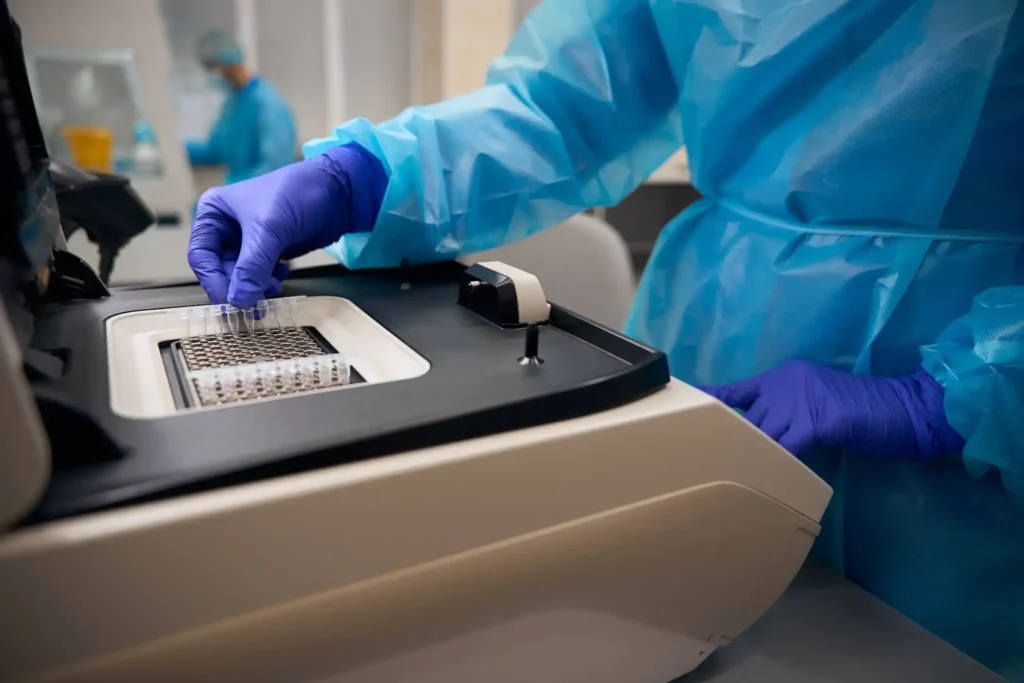
Introduction In many laboratories, 0.2 mL PCR tubes are used by default, often without much consideration. They are widely available, compatible with most thermal cyclers, and have become the standard choice for routine work. However, this “default choice” does not always align with how PCR reactions are actually performed today. As reaction volumes become smaller […]
How to Choose PCR Tubes for Standard PCR and qPCR Workflows
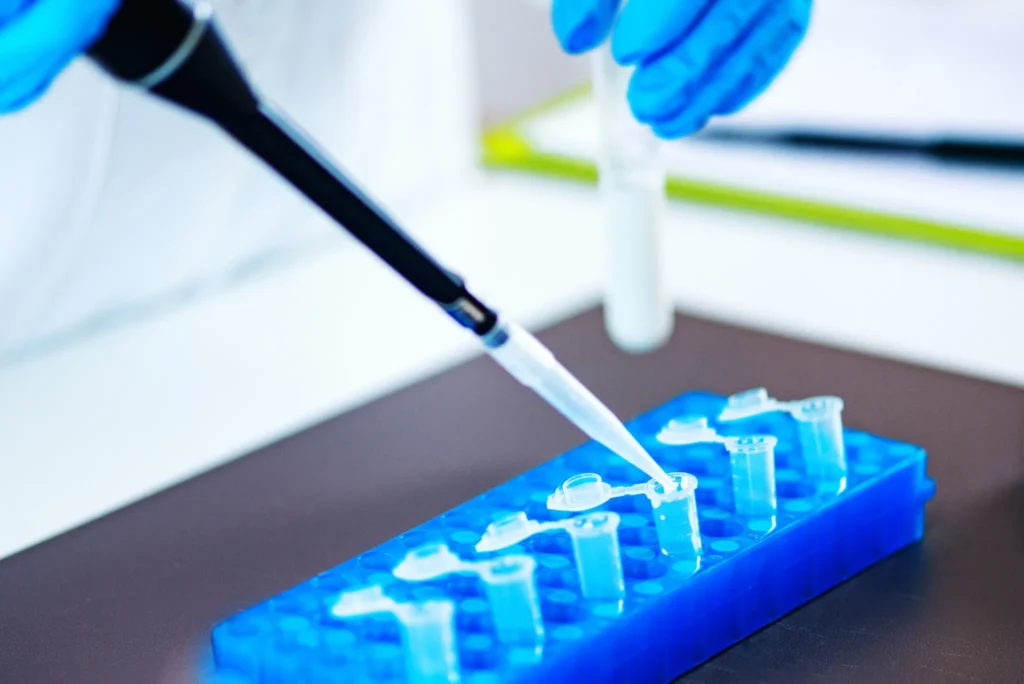
Introduction: PCR Tube Selection Affects More Than Basic Fit PCR tube selection is often overlooked in laboratories, where PCR tubes are treated as interchangeable consumables. As long as they fit the thermal cycler and can hold the reaction volume, they are assumed to be suitable for routine work. For basic amplification, this assumption is usually […]
Reagent Bottle Storage Problems and How to Prevent Them in Laboratory Work
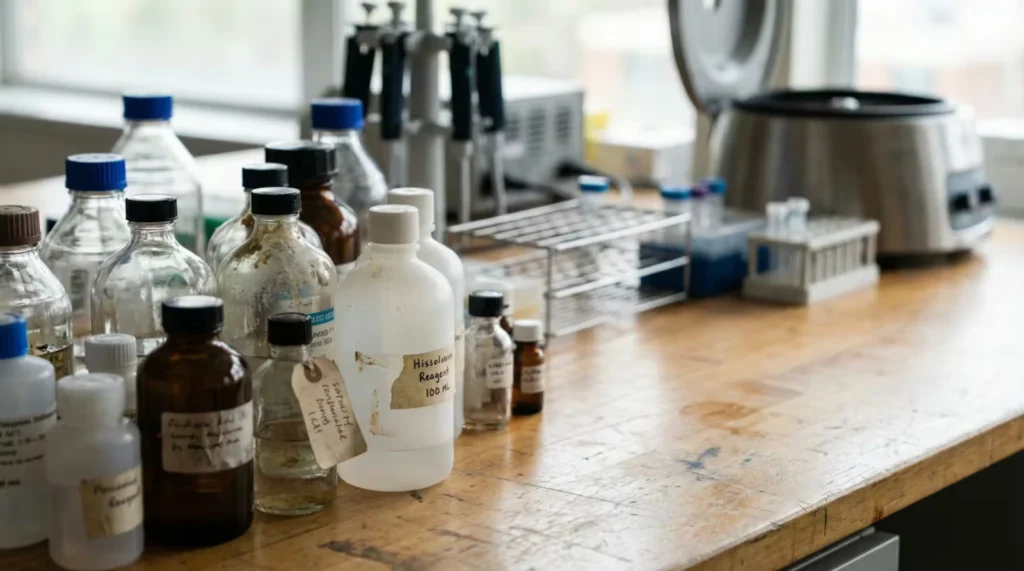
Introduction In laboratory workflows, reagent bottles are often treated as basic infrastructure—simple containers used to store chemicals and solutions. Most attention is typically given to the reagents themselves, while the role of the bottle is rarely examined during routine operations. In practice, however, many small inconsistencies in laboratory work can be traced back to how […]
Common PCR Tube Problems in Thermal Cycling and Handling

Introduction Polymerase chain reaction (PCR) is often described as a protocol-driven technique. Reaction composition, primer design, enzyme choice, and thermal cycling parameters are carefully specified, while consumables such as PCR tubes are frequently treated as neutral containers. As long as the reaction mix is correct and the thermal cycler is properly programmed, tube performance is […]
Condensation in Petri Dishes: Causes, Risks, and Practical Solutions

Introduction Condensation is one of the clearest examples of how cultureware interacts with everyday workflow. It depends not only on incubator settings, but also on how plates are handled, stacked, opened, and sealed. Once you understand why moisture forms—and how laboratories typically deal with it—it becomes much easier to treat condensation as a manageable variable […]
How to Choose the Right Petri Dish for Routine Laboratory Work

Introduction In many laboratory protocols, Petri dishes are treated as neutral consumables. As long as the correct medium, incubation conditions, and experimental steps are specified, the dish itself is often assumed to perform consistently. Under this assumption, Petri dish selection rarely receives explicit attention during method design. However, once experiments move into routine laboratory work, […]
PCR Tubes for Standard PCR and qPCR: Types, Materials, and Performance Considerations

Introduction In many molecular biology workflows, PCR tubes are easy to overlook. Most technicians focus on optimizing enzymes, reaction mixes, or cycling conditions, assuming the tube itself is a fixed and neutral component. Yet anyone who routinely runs PCR or qPCR knows that small differences in tube construction—how uniform the walls are, how the cap […]